
uPVC Full Form & Meaning

uPVC stands for unplasticized polyvinyl chloride. It is a strong, rigid form of PVC made without added plasticisers, which means uPVC and PVC are not exactly the same. uPVC material is a durable synthetic polymer commonly used for windows, doors, pipes and other building applications.
It is particularly suitable for window and door frames because it offers good thermal insulation, sound reduction, weather resistance and long-term durability. uPVC can withstand strong sunlight, rain, moisture, wind and changing temperatures without rotting, rusting, warping or requiring frequent repainting. It is also easy to maintain.
In most cases, the frames only need occasional cleaning with mild soapy water and a soft cloth. Avoid abrasive cleaners, as they may damage the surface finish. The warranty on uPVC windows and doors may vary by manufacturer, product range, hardware, glass, and installation terms, so buyers should check the applicable warranty before purchasing.
uPVC is a practical choice for homes and commercial spaces where durability, energy efficiency, weather protection, security, and low maintenance are important.
| Question About uPVC | Answer |
|---|---|
| What is uPVC? | uPVC is a durable, low-maintenance material commonly used for making windows and doors. |
| What is the full form of uPVC? | Unplasticized Polyvinyl Chloride |
| Is uPVC the same as PVC? | No. uPVC is a rigid, unplasticized form of PVC, making it more suitable for applications like windows and doors. |
| Where is uPVC used? | In window and door frames, plumbing pipes and other construction products. |
| Why is uPVC used for windows? | It holds its shape, helps insulate rooms, withstands the weather and needs little upkeep. |
| What is uPVC Material | A rigid, durable plastic material made from polyvinyl chloride without added plasticisers. |
Also Read: why is uPVC becoming increasingly popular
uPVC Full Form: Unplasticized Polyvinyl Chloride
The full form of uPVC is unplasticized polyvinyl chloride.
In simpler terms, uPVC is PVC minus the plasticisers. PVC or polyvinyl chloride. It is a synthetic plastic polymer widely used across various industries. When you skip the plasticization process, you get uPVC - a rigid, robust material with many applications.
What Is uPVC and Full Form of uPVC?
Unplasticized Polyvinyl Chloride (uPVC), as the full form of uPVC suggests, is derived from polyvinyl chloride (PVC), a polymer that has been around for decades. It is used in everyday essentials like clothing and cable insulation. uPVC has become more popular than PVC because of its versatility.
uPVC windows and doors are popular because of their exceptional properties. uPVC windows and uPVC doors are extremely durable, flexible, and sturdy, all of which are key to building seamless door and window frames. They offer outstanding insulation, and their rigidity helps create a strong foundation, making them a sought-after choice for doors and windows. To understand the key differences between PVC and uPVC, explore the difference between PVC and uPVC windows and learn why uPVC is a preferred choice for modern homes.
uPVC vs PVC: What Is the Difference?
| Features | PVC | uPVC |
|---|---|---|
| Full form | Polyvinyl Chloride | Unplasticized Polyvinyl Chloride |
| Composition | May contain plasticisers to improve flexibility | Made without added plasticisers |
| Durability | Varies according to its formulation and intended use | Offers long-term durability for windows and doors |
| Common applications | Commonly used for pipes, cables, flooring, packaging, and other products | Primarily used for window frames, doors, pipes, and building products |
| Weather resistance | Depends on the product and application | Resistant to moisture, sunlight, and changing weather conditions |
| Flexibility | Can be flexible depending upon its composition | Rigid and designed to hold its shape |
Why Is Unplasticized Polyvinyl Chloride (uPVC) Used for Windows and Doors?
uPVC is widely used to make strong, low-maintenance window and door frames. It can be shaped into several window configurations, including casement, sliding, tilt-and-turn, fixed, bay, combination and French windows.
For doors, it is commonly used in sliding, casement, French, lift-and-slide and slide-and-fold designs. These configurations suit bedrooms, living rooms, kitchens, balconies, patios and other areas where ventilation, natural light, and easy operation are important.
In modern residential spaces, uPVC windows and doors help improve thermal comfort, reduce outdoor noise and protect interiors from rain, dust and changing weather conditions. Commercial buildings, offices, hotels, hospitals and retail spaces also use them because they are durable, easy to clean, and suitable for frequent use.
Their clean finish and range of colours also make them easy to match with different architectural styles.
uPVC offers thermal insulation. It transforms your home into an energy-efficient living space. This helps you save money on cooling and heating. Also, its low-maintenance feature lets you stay worry-free and use your time for more important things. Also, our uPVC noise cancellation windows and doors offer effective sound insulation and help create a quieter and more comfortable environment in homes and offices.
So, for a more refined living experience, choosing uPVC materials for your doors and windows is the right choice. It is a true game-changer in modern construction and design.
Benefits of uPVC Material and uPVC Full Form
Beyond the technicalities, uPVC stands out for its exceptional properties. Here's why it's making waves in the world of construction:
1. Sturdy by Nature
uPVC offers incredible strength and durability. uPVC windows and doors are incredibly tough and can withstand even the most extreme elements. These frames don't crack, chip or dent easily, so they retain their integrity for years to come.
If you love expansive windows that usher in heaps of sunlight, then be wary of ultraviolet (UV) and infrared (IR) rays. uPVC frames, with the right glazing solution, protect against these rays. Because structures made from this material are UV- and IR-resistant, they don't fade and maintain their colour and finish for a long time.
2. Defying the Elements
Imagine a world where relentless sunshine, torrential rain, and biting cold are mere trifles for your doors and windows. That's the reality with uPVC. Its remarkable weather resistance makes it the ideal choice for outdoor applications. With uPVC, you're not just investing in doors and windows; you're investing in a shield against the elements. Explore our weather-proofing solution to see how effective protection can enhance the durability and performance of your windows and doors. It's the promise of longevity, ensuring your home stands resilient against the tests of time and the unpredictability of nature.
3. Thermal Guardian
In winter, these doors and windows keep your home warm by preventing warm air from escaping, providing supreme thermal comfort. uPVC frames fit perfectly against the hollow door or window space of your wall and offer exceptional insulation. This secure fit prevents cold conditioned air from seeping out of your home during peak summers.
The insulation properties also improve your home's energy efficiency. uPVC products also help prevent extreme temperatures from stressing your heating and cooling devices.
4. Maintenance Made Easy
uPVC windows and doors let you follow the “fit and forget” mantra. These structures require little to no maintenance, as they do not attract dirt or allow grime to settle on their surface. However, wiping your frames with a damp cloth once a month is ideal. These structures can go for years without weathering. However, if you live on a particularly dusty street, you can clean these frames with some soapy water, rinse them, and wipe them with a soft cloth. Do not clean uPVC doors and windows with an abrasive material.
5. Serene Soundscapes
Indulge in the luxury of serenity with uPVC's remarkable soundproofing abilities. External clamour becomes a distant murmur, creating an oasis of tranquillity in your living space, whether it's your living room, bedroom, or kitchen. This makes your home a haven where peace reigns, letting you escape the hustle and bustle and savour moments of undisturbed calm. Combine uPVC frames with double-glazed glass panes to decrease the amount of noise that leaks into your dwelling.
6. Fire-resistant
uPVC window and door frames are completely fire-retardant, meaning they do not catch fire. Most buildings today have fire safety regulations that require fire-rated materials. And uPVC is one of them! These doors and windows not only resist fire, but also act as a barrier that prevents its spread.
7. Aesthetically Appealing
It is no secret that one of the first things buyers look for is the appearance of any element being installed in their home. Sure, aesthetics is never the only priority, but it plays a significant role in deciding what material your doors and windows will be made of. uPVC doors and windows come in a large variety of colours, finishes, and sizes. So much so that you can closely match your wall colours to the frame paint shade. Beyond blending with any space's décor, uPVC windows and doors come in all popular designs.
8. Safe and Secure
If you think uPVC doors and windows don't provide the same level of security as, say, wood or metal, think again! uPVC frames can exceed expectations with their ultra-light yet sturdy design. Because these frames are so strong, you can install a multi-point locking system to help keep your home safe. Modern locking mechanisms can further enhance safety without compromising on style.
A multi-point locking system lets you secure uPVC windows and doors at multiple points along the frame. Doing this makes unwarranted intrusions and break-ins a distant possibility. You can also choose double-glazing solutions and a combination of locks to make your home's entryways highly secure.
9. Offer Drainage
Sounds unusual? This unconventional and relatively unheard-of benefit of uPVC doors and windows is their built-in drainage system, which prevents water from stagnating around the frame. A tiny canal-like drainage system inside the shutters also stops water from spilling onto the glass pane.
10. Superior Ventilation
As mentioned before, uPVC doors and windows come in a wide variety of designs and styles and offer exceptional ventilation and airflow when opened for fresh air. One such useful configuration is the tilt-and-turn window, which can operate in two directions to provide effective ventilation. When tilted inwards, it allows hot air to escape through the top, while the side opening can be fully opened to let fresh air into the room. This makes tilt-and-turn uPVC windows a practical choice for maintaining a comfortable, well-ventilated indoor environment.
Read more: Benefits of uPVC Windows | Benefits of uPVC Doors
uPVC Material - uPVC Windows and uPVC Doors Utilisation for Modern Spaces
Some common ways uPVC systems can be used in your modern living spaces are as follows:
| Spaces | uPVC Windows or Doors Options to Consider |
|---|---|
| Bedroom and Living Room | A uPVC casement window allows ventilation, while a uPVC sliding window works well where there’s little room for a uPVC sash or swing-open option. |
| Kitchen | A uPVC top-hung or casement window option can offer ventilation, depending on the space around counters and cabinets. |
| Balcony or Patio | A uPVC sliding door works great here and also offers space. If you have a smaller balcony or patio opening, opt for a uPVC casement door. |
| Any Large Opening | A uPVC sliding door or a combination window can add more daylight and a wider view. |
| Office or Commercial Spaces | uPVC fixed windows can offer more daylight. uPVC openable windows like tilt-and-turn can also provide ventilation. |
uPVC or Aluminium Windows - Which is Better?
Choosing between uPVC windows and aluminium windows depends on your space's needs. uPVC works well where insulation and easy upkeep are priorities, while aluminium is often preferred for slimmer frames and larger glass areas.
| Factor | uPVC Windows | Aluminium Windows |
|---|---|---|
| Material | uPVC | Aluminium |
| Thermal insulation | High, depending on system/glazing | Depends on thermal-break design |
| Maintenance | Low | Low |
| Durability | High | High |
| Design | Multiple styles | Slim-profile options |
| Weather resistance | High | High |
| Best suited for | Homes, apartments, various applications | Homes, commercial spaces, large openings |
Read more: uPVC vs Aluminium Windows - Which is Better?
uPVC or Aluminium Doors - Which is Better?
Both uPVC doors and aluminium doors are durable, weather-resistant and suitable for modern spaces. The better option depends on the opening size, insulation requirements, preferred design, location and budget.
| Factor | uPVC Doors | Aluminium Doors |
|---|---|---|
| Material | Unplasticized polyvinyl chloride | Aluminium |
| Thermal insulation | High, depending on the door system and glazing | Depends on the quality of the thermal-break design and glazing |
| Maintenance | Low | Low |
| Durability | High | High |
| Design | Available in multiple colours, finishes, and configurations | Offers sleek frames and slim-profile designs |
| Weather resistance | High | High |
| Best suited for | Homes, apartments, balconies, patios, and villas | Homes, offices, commercial spaces, and large entrances |
Read more: uPVC vs Aluminium Doors - Which is Better?
Types of uPVC Windows and Doors
Types of uPVC Windows
1. uPVC Casement Windows
uPVC Casement windows attach to the frame with hinges and generally open inward or outward, offering wide openings for natural ventilation and clear outdoor views.
2. uPVC Sliding Windows
uPVC sliding windows have sashes that move horizontally along a track. Their simple operation and clean design make them suitable for apartments, offices, bedrooms, kitchens, and balconies.
3. uPVC Tilt and Turn Windows
uPVC tilt and turn windows offer two opening options in one design. The sash can tilt inwards from the top for controlled ventilation or open fully from the side for greater airflow and easier cleaning.
4. uPVC Fixed Windows
uPVC fixed windows bring natural light into a room and provide wide, uninterrupted outdoor views. Because they have no movable sash, they work well in areas that don't need ventilation.
5. uPVC French Windows
uPVC French windows feature two side-hinged sashes that open away from the centre, creating a wider opening for fresh air and daylight.
6. uPVC Top Hung Windows
uPVC top hung windows are hinged at the top and open outwards from the bottom. Their angled opening allows ventilation while offering some protection against light rain.
7. uPVC Louver Windows
uPVC louver windows feature horizontal slats that allow air to circulate while offering a degree of privacy. They work well in spaces that need regular ventilation without a fully open window.
8. uPVC Arch Windows
The uPVC arch windows have a curved top that adds character to a building’s interior and exterior. They may be designed as fixed or openable windows, depending on the space and ventilation requirements.
9. uPVC Glass-to-Glass Joint Windows
AIS Windows’ glass-to-glass joint uPVC windows connect two glass panels at a corner with minimal visual obstruction, creating a wider view and letting more daylight into the room.
10. uPVC Twin Sash Windows
AIS Windows’ uPVC twin sash windows combine two sashes within one window system to support different glazing or mesh arrangements, depending on the chosen design. It offers flexibility in ventilation, insect protection and everyday use.
Types of uPVC Doors
1. uPVC Sliding Doors
uPVC sliding door have panels that move horizontally along tracks instead of swinging open. The broad glass area brings in natural light and keeps the space visually open.
2. uPVC Casement Doors
uPVC casement doors are hinged on one side and open inwards or outwards. They provide a familiar operating style and can be designed as single- or double-leaf doors. Their close-fitting frame supports insulation and protects against the weather.
3. uPVC French Doors
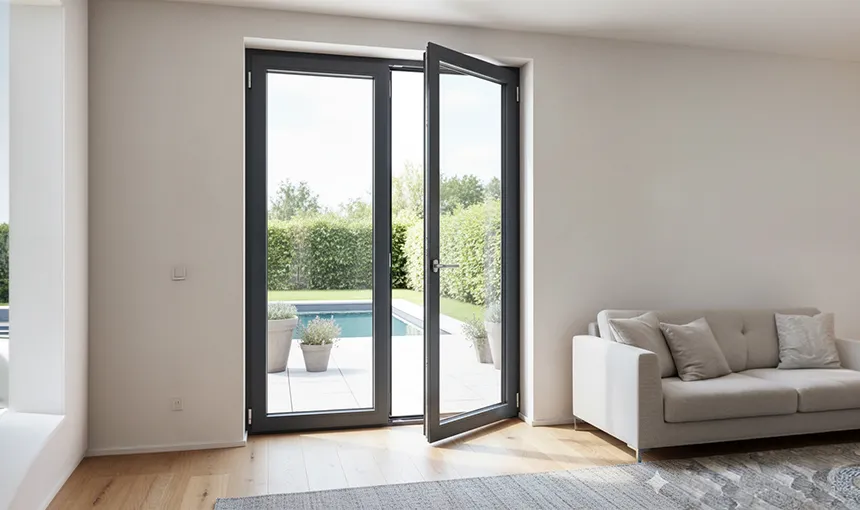
uPVC French Doors have two hinged panels that usually open from the centre, creating an easy connection between indoor and outdoor areas while letting in plenty of natural light.
4. uPVC Slide and Fold Doors
uPVC slide and fold doors consist of multiple panels that slide and fold neatly to one or both sides. When opened, they can clear most of the entrance, creating a broad passage.
5. uPVC Lift and Slide Doors
uPVC lift and slide doors are designed for large openings and expansive glass panels. Turning the handle lifts the panel slightly, allowing it to move smoothly along the track.
6. uPVC HD Patio Doors
uPVC HD patio doors feature large glazed panels that let in more daylight and provide a clearer view of the outdoors.
Where is uPVC Used?
uPVC is suitable for homes, whether you live in an independent house, a villa or an apartment. You can use them in bedrooms, living rooms and kitchens, or choose uPVC doors for balconies and patios. The right style can bring in natural light and fresh air while helping protect the space from heat, noise and rain.
uPVC windows are also suitable for apartments, including those in high-rise buildings. They are easy to maintain and can handle moisture and changing weather. Where you use them, and which design you choose, will depend on the size of the opening and how exposed it is to wind and rain. With suitable glazing and hardware, uPVC windows and doors can work just as well in offices and other commercial spaces.
Is uPVC Suitable for Indian Weather?
uPVC suits many Indian climates because it resists moisture, corrosion, and everyday weather exposure. Its insulation properties can help limit heat transfer during hot summers, while sealed frames protect against rain, humidity, dust, noise and urban pollution. Since uPVC does not rust, it can also work well in coastal areas with humid air.
A good uPVC frame is only one part of a well-performing window or door. The profile’s wall thickness, internal chambers and reinforcement affect its strength and insulation. Glazing matters too, and depending upon your needs, double or triple glazing can help reduce heat transfer and outside noise. Seals, hardware and proper insulation also plays a huge role. So, choose a system that suits your local climate, building height, etc.
How Long Do uPVC Windows and Doors Last, and How Do You Maintain Them?
Well-made uPVC windows and doors can generally last for 20 to 30 years or longer. Their actual lifespan depends on the profile quality, hardware, glazing, installation, weather exposure and frequency of use.
Check and service hinges, handles, locks, rollers, seals and other moving parts periodically to maintain smooth operation.
How to Maintain uPVC Windows
Regular care and uPVC windows and doors maintenance help them operate smoothly and retain their finish for longer.
- Clean frames regularly: Use mild soapy water and a soft, non-abrasive cloth.
- Clear drainage channels: Remove dust and debris to prevent water from collecting.
- Clean the glass: Use a suitable glass cleaner and a soft microfibre cloth.
- Check the hardware: Inspect handles, hinges, locks and rollers for smooth operation.
- Inspect seals: Look for loose, worn, or damaged seals and gaskets.
- Lubricate moving parts: Use only the lubricant the manufacturer recommends.
- Repair damage promptly: Replace damaged hardware or components before the problem worsens.
How Much Does uPVC Cost?
In India, standard uPVC windows and doors are generally priced per sq. ft. Premium designs, such as double-glazed windows, French doors, bi-fold doors or lift-and-slide systems, may cost more.
The final price depends on the frame profile, dimensions, glass type, hardware, opening style, finish, installation and site conditions.
Also Read: uPVC Windows and Doors Prices: A Complete Guide
Conclusion
uPVC isn’t just an acronym; it reflects what uPVC means and answers what uPVC is in real-world applications. The uPVC full form - unplasticized polyvinyl chloride - highlights the key difference between PVC and uPVC, where added strength, durability, and performance truly matter. Embrace the durability, enjoy the resilience, and let this material redefine how you see doors and windows.
It’s more than just a material; it’s a declaration - a declaration of a lifestyle enriched by the excellence of uPVC. Elevate your living space with AIS Windows, a leading uPVC manufacturer in India and the epitome of quality and innovation in uPVC doors and windows.
To know more about uPVC windows and doors prices, browse our detailed pages to understand what impacts overall costs and how to choose the right option for your space. If you’re planning to buy uPVC products, pricing may differ depending on size, design, glass type, and customisation requirements. You can also compare branded vs local fabricators to understand how your choice of manufacturer can affect overall cost and value. For an exact quote, call 1800 1034 805 or connect with a nearby dealer to find uPVC windows near me.
Frequently Asked Questions
1. Is uPVC material an energy-efficient choice for windows and door?
Yes, uPVC frames have low thermal conductivity and can reduce unwanted heat transfer. However, overall energy efficiency also depends on the glazing, frame chambers, seals, fabrication and installation quality.
2. Are uPVC frames suitable for Indian weather?
uPVC can perform well in Indian conditions because it resists moisture, corrosion, sunlight, rain, and humidity. Select the profile, reinforcement, glazing, hardware, and installation based on local climate and wind pressure.
3. Can uPVC windows be customised in different colours, styles, and designs?
Yes, uPVC windows are available in multiple colours, finishes, sizes, and configurations, including sliding, casement, fixed, French, tilt-and-turn and top-hung designs. Customisation options may vary by manufacturer and product range.
4. Can uPVC windows be recycled?
Yes, uPVC window profiles can be collected, processed, and reused to manufacture new PVC products. Actual recycling depends on local collection facilities and the proper separation of the frame, glass, metal reinforcement and hardware.
5. How is uPVC made?
PVC resin is combined with stabilisers, impact modifiers, pigments and other performance additives without adding plasticisers. The mixture is heated and pushed through a precision die to form rigid profiles, then cooled, cut, reinforced, welded, glazed, and assembled into windows or doors.
6. Are uPVC windows safe for homes?
Yes, good-quality uPVC windows are suitable for homes when made with compliant profiles and fitted correctly. Safety also depends on the glass, reinforcement, locking system, hardware, and installation, not the frame material alone.
7. Can uPVC windows reduce outside noise?
Yes, a properly sealed uPVC window can help reduce outside noise, particularly when paired with suitable double, laminated or acoustic glazing. The final result depends on the glass specification, seals, frame design, installation and surrounding wall construction.
8. Are uPVC windows suitable for coastal areas?
Yes, uPVC frames do not rust and can withstand humid, salty coastal air. Corrosion-resistant hardware, appropriate glazing, effective drainage and installation suited to local wind and rain conditions are equally important.
9. Can damaged uPVC windows be repaired?
Many problems, including faulty handles, locks, hinges, rollers, gaskets and glass, can be repaired or replaced. Severe frame damage, warping or structural failure may require replacement after inspection by a trained professional.
10. What are the limitations of uPVC?
uPVC frames are generally wider than slim aluminium profiles and may be less suitable for very large openings without proper reinforcement. Dark finishes can absorb more heat, and poor-quality profiles, hardware, fabrication, or installation may lead to discoloration, expansion, operational problems, or reduced performance.