




PVC vs uPVC Windows: What's the Difference and Which Is Better?
When choosing windows for your home, you may come across terms such as PVC, uPVC and even vinyl. PVC stands for polyvinyl chloride, while uPVC means unplasticised polyvinyl chloride. To understand the material in more detail, explore our guide to what uPVC is, its full form and benefits.
The main difference between PVC and uPVC windows is plasticisers. PVC can be made flexible with plasticisers, while uPVC is unplasticised PVC and is therefore rigid and structurally stable. The lack of plasticisers gives uPVC the rigidity needed for window and door frames.
For residential window frames, uPVC windows are generally the better choice because it offers better rigidity, durability, weather resistance and low-maintenance performance.
What Are PVC Windows?
PVC is a widely used synthetic polymer. Adding plasticisers makes PVC softer and more flexible. This flexibility suits products such as cable insulation and flooring.
However, a window frame must remain rigid while holding glass, hardware and locking systems in place. Therefore, flexible PVC is not generally preferred as a structural residential window-frame material.
The term “PVC windows” is also sometimes used informally for uPVC or rigid PVC windows. Similarly, when comparing PVC windows vs uPVC windows, “vinyl windows” may also refer to rigid PVC-based window systems. Always check the actual profile specification instead of relying only on the product name.
What Are uPVC Windows?
uPVC is PVC without added plasticisers. It is also important to understand the difference between PVC windows vs vinyl windows. This makes it harder, more rigid and better suited to structural applications such as window and door frames.
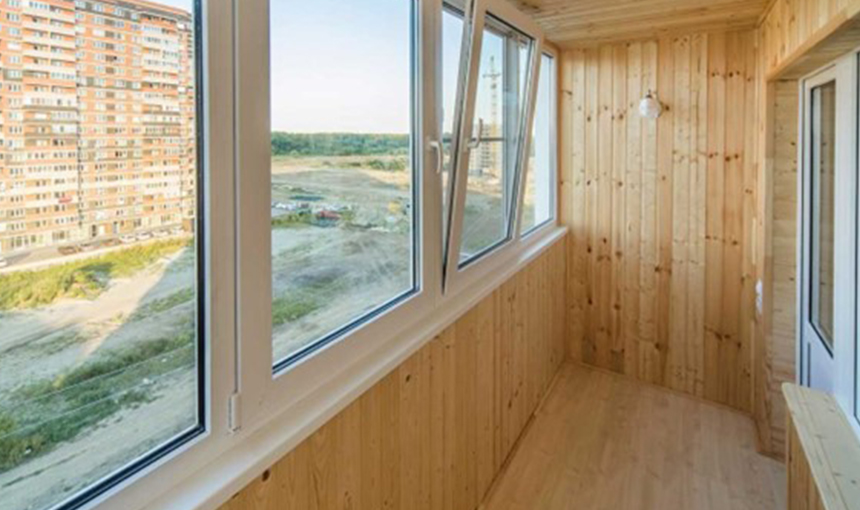
uPVC frames are valued for their resistance to moisture, corrosion and changing weather conditions. They are also easy to maintain and work with different glazing and sealing systems.
Learn more about the material, types and advantages in our guide on what uPVC windows are.
PVC vs uPVC Windows: Key Differences
| Factor | PVC Windows | uPVC Windows |
|---|---|---|
| Frame Rigidity | Softer and more flexible when plasticised | Rigid and structurally stable |
| Durability | Less suited to long-term structural use | Better suited to long-term window use |
| Weather Resistance | Flexible PVC can be more vulnerable to heat and ageing | Good resistance to heat, rain and moisture |
| Maintenance | May require more attention over time | Low maintenance |
| Thermal Insulation | Depends heavily on the overall system | Supports effective insulated window systems |
| Design & Configuration | Limited as a structural frame material | Suitable for multiple window configurations |
| Suitability for Homes | Less suitable when referring to flexible PVC | Well suited to residential window frames |
uPVC vs PVC Windows: Which Is Better for Your Home?
When comparing PVC vs uPVC for window frames, uPVC is the better option. Its rigidity helps the frame maintain its shape, while its resistance to moisture, corrosion and weather exposure supports lasting performance.
These qualities are particularly useful for Indian homes, where windows may face strong sunlight, rain, humidity and temperature changes. uPVC also requires little maintenance and can improve thermal comfort when paired with suitable glass, glazing, and seals.
At AIS Windows, we offer uPVC windows in different styles and configurations. You can also pair them with noise cancellation windows and thermal insulation solutions, along with glass options designed for privacy, safety, and other performance requirements.
What to Consider When Choosing uPVC Windows?
Window Size and Configuration: Choose a window style and size that suits the available opening and room layout, whether you need windows for a living room, bedroom, bathroom, or kitchen.
-
Glass Type and Glazing: Select glass based on your requirements for heat control, noise reduction, privacy and safety.
-
Thermal and Acoustic Insulation: Look for a window system that supports indoor comfort by reducing heat transfer and outside noise.
-
Frame Quality: Check the quality, strength and specifications of the uPVC profile for reliable performance.
-
Hardware and Locking Systems: Choose durable hinges, handles, rollers, and secure locking mechanisms.
-
Weather Conditions: Consider exposure to sunlight, rainfall, wind and humidity.
-
Ventilation and Natural Light: Select configurations that allow sufficient airflow and daylight.
-
Home Design and Aesthetics: Choose frame colours, finishes, and styles that complement your home's overall architectural design.
Conclusion
The difference between uPVC and PVC windows comes down mainly to their formulation and rigidity. Plasticised PVC is flexible, while uPVC is rigid and better suited to structural window frames. For homeowners seeking durability, weather resistance, low maintenance, and insulation, uPVC is usually the more practical choice. With the right profile, glass, and configuration, uPVC windows can deliver reliable performance and comfort for modern Indian homes.
Before making a decision, it is also important to consider factors such as uPVC window prices, window and door styles, size and configuration, glass selection, hardware, and installation requirements. If you are searching for uPVC windows near me, connecting with an authorised dealer can help you explore suitable options based on your home's requirements. AIS Windows is among the leading uPVC windows and doors manufacturers, offering a wide range of uPVC windows and doors in different styles and configurations designed to provide durability, security, comfort, and aesthetic appeal.
Recent Blogs

Trending Blogs





-

AIS Windows : 17F, New Industrial Town, Industrial Area, Rajiv Gandhi Colony, New Industrial Town, Faridabad Haryana 121001
-
AIS Windows : B-14, Avigna, Space Industrial and Logistics Park, Nagondapalli, Hosur, Tamil Nadu 635110
-

-


