



Everything You Need to Know About French Casement Windows
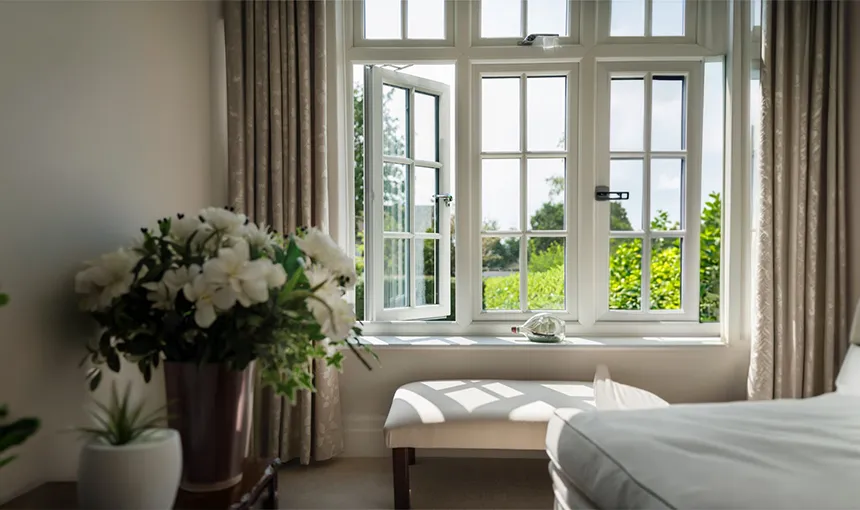
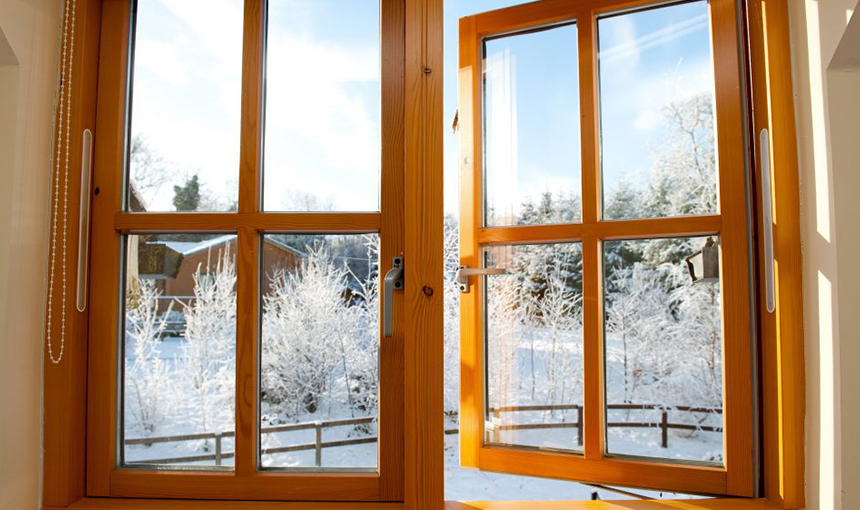
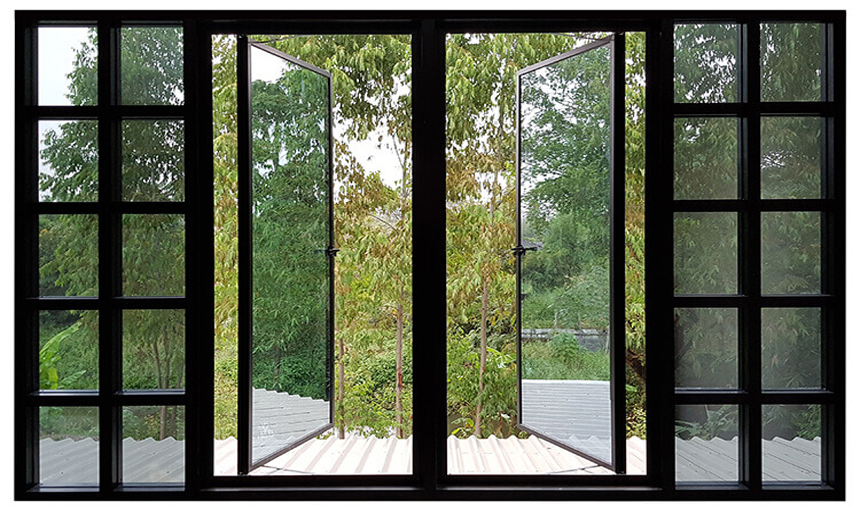
French casement windows have two side-hinged sashes that open from the centre, typically without a fixed vertical mullion between them. This gives you a wider opening, better airflow, more natural light and clearer outdoor views.
This guide explains how French casement windows work, their key features and benefits, suitable spaces, and the differences between aluminium and uPVC options. For a broader overview of French window designs and their applications, you can also explore our guide on what French windows are.
What is a French Casement Window?
A French casement window consists of two hinged sashes that meet at the centre when closed. Both sashes can open inward or outward, depending on the design. Unlike many standard casement configurations, French casement windows typically lack a fixed central mullion. When both sides are open, you get a broad, largely unobstructed opening.
French style casement windows combine the practical opening mechanism of casement windows with the balanced, symmetrical appearance associated with French windows. If you want to understand the broader casement window category, including its types, benefits and operating mechanisms, explore our guide on casement windows and how they work.
How Do French Casement Windows Work?
Two window sashes are fixed to hinges on opposite sides of the frame and meet in the middle when closed.
Depending on the configuration, you may open one sash first, then the second. Opening both sides removes the interruption in the centre and creates a wide opening. The sashes may swing inward or outward, depending on the window system and available space.
This simple hinged mechanism also makes French casement windows convenient for everyday ventilation.
Key Features and Benefits of French Casement Windows
The features of French casement windows make them suitable for homes where both functionality and aesthetics matter.
- Improved Ventilation: Opening both sashes creates a large opening for fresh air to enter.
- More Natural Light: Large glass panels allow plenty of daylight into the room.
- Wider Outdoor Views: The absence of a fixed centre mullion helps create a clearer visual connection with the outdoors.
- Elegant Appearance: Their symmetrical proportions can complement both modern and traditional architecture.
- Easy Operation: The straightforward hinged mechanism makes opening and closing convenient.
- Customisable Design: You can choose the size, frame material, finish and glazing to suit the opening and overall home design.
French Casement Windows vs Standard Casement Windows
| Feature | French Casement Window | Standard Casement Window |
|---|---|---|
| Opening | Two sashes | Usually, one or more sashes |
| Centre | Typically, no fixed central mullion | May have a central frame depending on configuration |
| Opening width | Wider unobstructed opening | Comparatively narrower |
| Ventilation | Excellent | Excellent |
| Appearance | Symmetrical/French-inspired | More conventional |
Both styles use hinged operation, but French casement windows are especially useful when you want a wider central opening.
Where Can You Use French Casement Windows?
French casement windows work well in rooms where daylight, ventilation and outdoor views are important.
- In the living room, they can create a stronger connection with a garden, balcony or outdoor area.
- In the bedroom, the wider opening can support natural airflow and bring in plenty of daylight.
- They can also work well in study rooms, dining areas, and home offices where a bright, open environment is preferred.
Before installation, make sure there is enough clearance for the sashes to open without interfering with furniture or movement around the room.
French Casement Windows: Aluminium vs uPVC
Aluminium French Casement Windows
Aluminium French windows suit contemporary homes well. Aluminium windows support slim profiles and larger glazed areas, helping create a neat appearance with plenty of natural light and wide views. They are also durable, corrosion-resistant and low-maintenance.
For a conventional hinged alternative, homeowners can also explore aluminium casement windows, which provide good ventilation and easy operation.
uPVC French Casement Windows
uPVC French windows use a pair of side-hinged casement-style panels that can open inward or outward. uPVC windows are a practical residential option because they offer good thermal insulation, require little maintenance and come in different finishes.
Homeowners looking for a standard hinged window can also consider uPVC casement windows, which combine ventilation with insulated, low-maintenance frames.
Conclusion
French casement windows offer a useful combination of wide openings, ventilation, natural light and elegant design. Their two-sash configuration can make interiors feel brighter and provide a clearer connection with the outdoors.
When choosing between aluminium and uPVC French casement windows, consider the opening size, desired frame profile, insulation requirements, maintenance needs and architectural style. You can also compare uPVC window cost and aluminium window cost based on the size, configuration, glazing and specifications required. For homeowners looking for windows and doors or a dealer near you, exploring available options can help you find a suitable solution for your home.
Recent Blogs
Trending Blogs

-

AIS Windows : 17F, New Industrial Town, Industrial Area, Rajiv Gandhi Colony, New Industrial Town, Faridabad Haryana 121001
-
AIS Windows : B-14, Avigna, Space Industrial and Logistics Park, Nagondapalli, Hosur, Tamil Nadu 635110
-

-


