




Casement (Swing) vs Sliding Shower Enclosures: Which One Should You Choose?
Choosing the right shower enclosure can change how your bathroom looks and functions every day. It affects comfort, ease of cleaning, movement, and even how spacious the bathroom feels. In many Indian homes, there is a growing preference for bathroom solutions that are both stylish and practical.
That is why many homeowners compare casement vs sliding shower enclosures before making a decision. AIS Windows, a leading windows in India brand, offers both options that look modern but serve different needs. The better choice depends on your bathroom size, budget, and how you plan to use the space every day.
While bathroom design plays a key role in overall aesthetics, it is equally important to consider other elements of your home. Along with choosing the right shower cubicle, upgrading elements like uPVC doors & windows and aluminium doors & windows can further enhance your home’s overall comfort, energy efficiency, and design appeal. We also sell uPVC casement doors - click here to explore more options.
What is a Casement (Swing) Shower Enclosure?
-vs-Sliding-Shower-Enclosures.png)
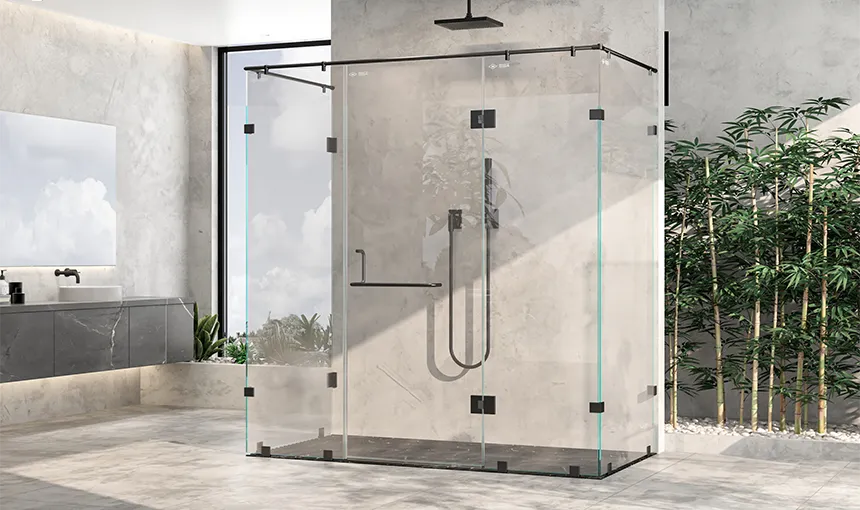
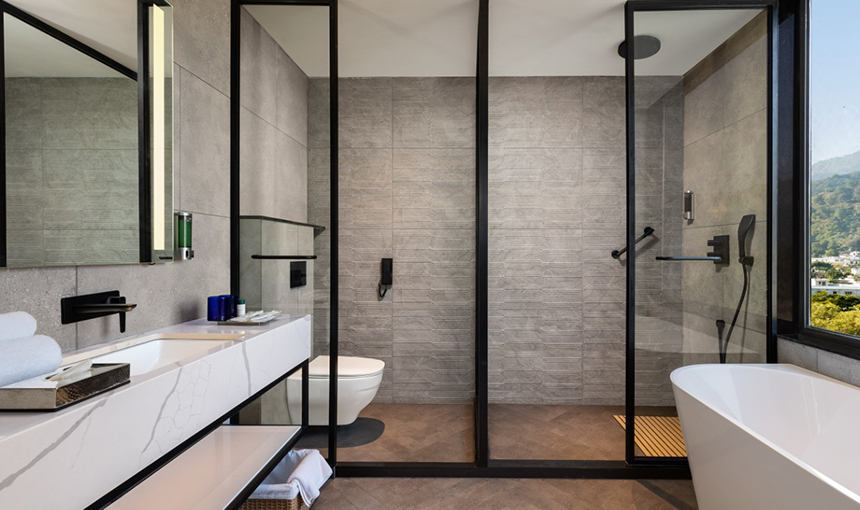
A casement or swing shower enclosure has a door that opens inward or outward like a regular door. It is fixed with hinges attached to either the wall or another glass panel. This style usually creates a neat, open look and is often seen in premium bathroom designs.
If you are planning a casement vs sliding shower cubicle comparison, the biggest thing to remember is movement space. A swing enclosure needs enough clearance for the door to open properly. That makes it more suitable for larger bathrooms where door movement will not feel restrictive.
What is a Sliding Shower Enclosure?
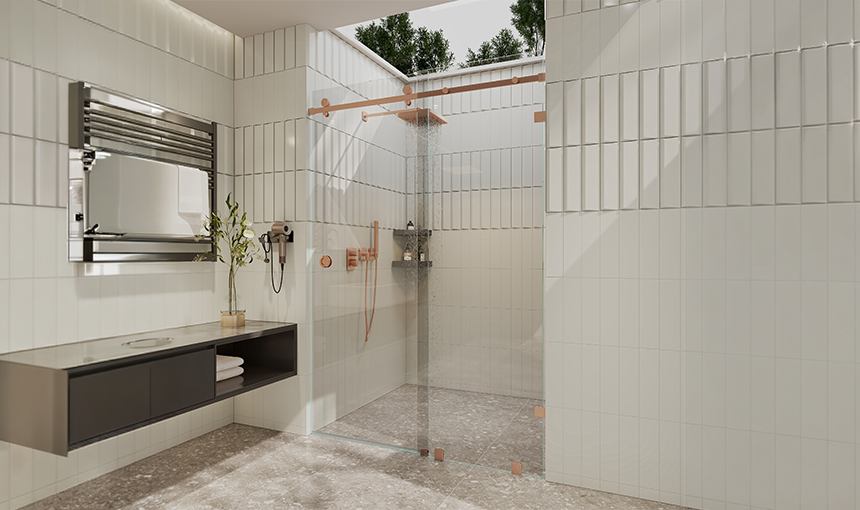
A sliding shower enclosure uses glass panels that move horizontally on tracks. Since the panels slide rather than opening outward, no extra door clearance is required. This makes sliding enclosures particularly useful in compact bathrooms where every inch counts.
When people compare swing vs sliding shower enclosures, sliding designs often stand out for their convenience in smaller spaces. They are especially common in city apartments, guest bathrooms, and homes where a clean and efficient layout is the main priority. To explore this concept further, you can read our detailed guide on what a sliding shower enclosure is.
Key Differences: Casement vs Sliding Shower Enclosures
Understanding the difference between sliding and casement shower enclosures becomes easier when you compare their core features side by side.
| Feature | Casement (Swing) | Sliding |
|---|---|---|
| Opening mechanism | Hinged door opens in or out | Panels slide on tracks |
| Space requirement | Needs door clearance | Space-saving |
| Look and feel | Open, elegant, premium | Sleek, compact, modern |
| Maintenance | Easier to clean, fewer track issues | Tracks need regular cleaning |
| Water containment | Good, but depends on sealing | Better due to overlapping panels |
Another difference between sliding and casement shower doors is their daily use. Swing doors feel more open and can make the shower area feel less enclosed. Sliding doors, on the other hand, are more controlled and efficient when space is limited.
Which One is Better for Your Bathroom?
Choose Casement (Swing) if:
- You have a larger bathroom with enough free space
- You want a more premium and open visual appeal
- Easy cleaning matters to you
- You prefer a door style that feels simple and direct to use
Many homeowners exploring casement vs sliding shower doors choose the casement option when appearance and ease of maintenance are more important than saving floor space.
Choose Sliding if:
- Your bathroom is compact
- You want to make the most of limited space
- You need a practical, everyday solution
- You want better water control through overlapping panels
For many families, the final decision between a casement vs a sliding shower cubicle comes down to layout. If the bathroom is small, a sliding enclosure is often the more comfortable and functional choice.
Design, Cleaning, and Everyday Use
A swing enclosure usually gives a lighter, more luxurious look because there are fewer visible tracks, and the entry feels wider. It works well in bathrooms that are designed to feel spacious and airy. Cleaning is also simpler since you do not have to deal with track buildup as often.
A sliding enclosure is inherently more compact. It maintains an efficient layout and works well in busy homes. The only extra care it needs is regular cleaning of the bottom track to prevent soap residue and dirt from accumulating over time.
If you are still thinking about casement vs sliding shower enclosures, the easiest way to decide is to look at your actual bathroom plan first and your style preference second.
While choosing the right type and design, it is also important to consider your overall home improvement budget. For better planning, you can explore detailed guides on what is the price of aluminium doors and price of uPVC doors, helping you make a more informed decision as you plan your overall space.
Conclusion
Both options can work beautifully when chosen for the right space. A casement enclosure is ideal for bathrooms with room to spare and a premium, open look in mind. A sliding enclosure is better suited to smaller bathrooms that need a smart, space-saving solution.
In the end, the best choice is the one that suits your layout, fits your budget, and makes daily use more comfortable. If you are planning an upgrade, get in touch with AIS Windows for customised solutions for your home, or use our dealer locator to connect with a nearby dealer and explore all available options.
Recent Blogs


Trending Blogs



-

AIS Windows : 17F, New Industrial Town, Industrial Area, Rajiv Gandhi Colony, New Industrial Town, Faridabad Haryana 121001
-
AIS Windows : B-14, Avigna, Space Industrial and Logistics Park, Nagondapalli, Hosur, Tamil Nadu 635110
-

-


