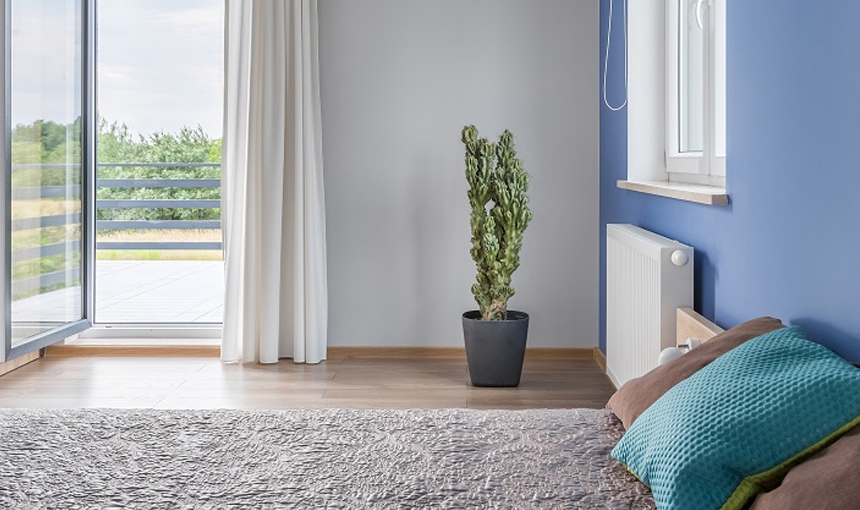




Common Mistakes to Avoid During the Installation of uPVC Casement Doors
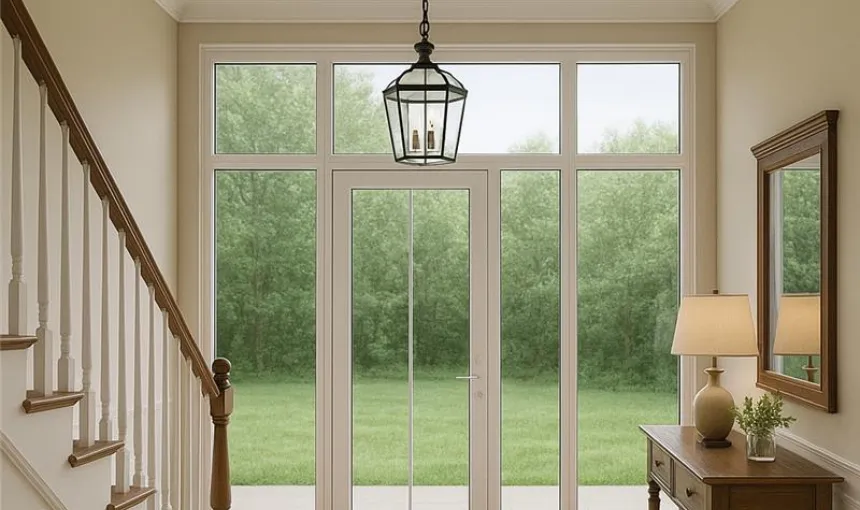
Although doors are a prominent part of a space’s interior, they are often overlooked as a design element. In reality, doors can transform a dull space into an inviting one. The catch is that it takes the right door design to achieve that.
uPVC casement doors have emerged as one of the most popular types of doors among homeowners. Not only do they look great, but they are also highly durable, which makes them incredibly cost-effective in the long run.
If you are about to install new uPVC casement doors in your home, read on to avoid these common mistakes.
What are uPVC Casement Doors?
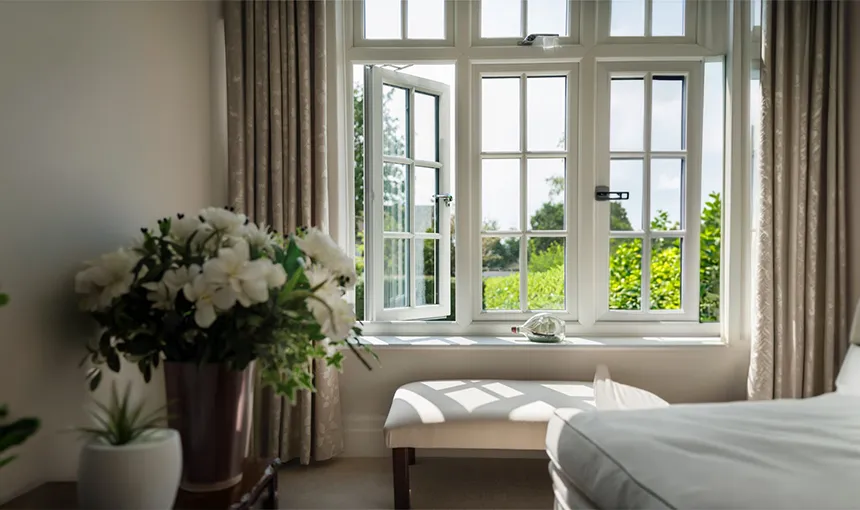
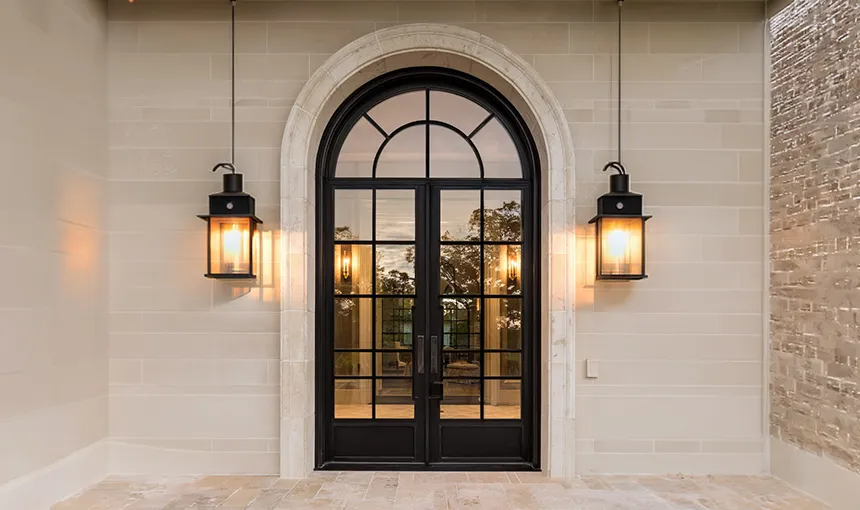
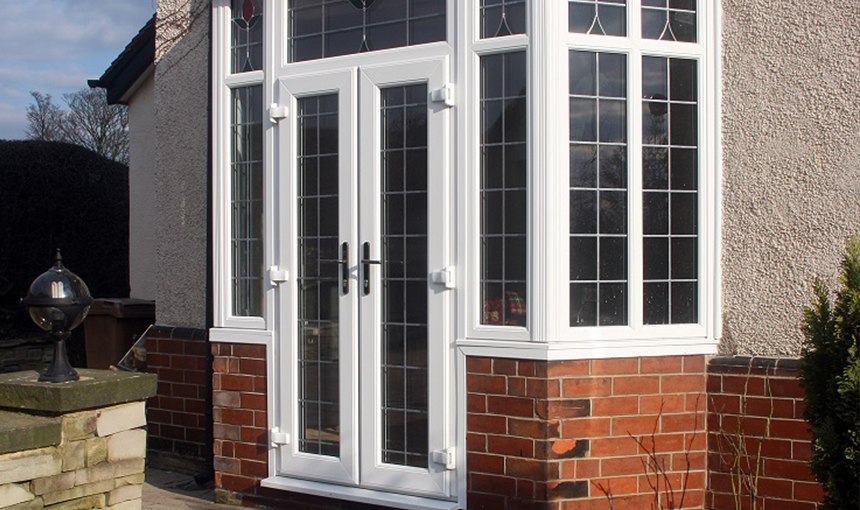
A uPVC casement door looks and functions just like a regular door. It features a single hinge that allows it to be swung forward or backwards to open and close. These doors can be used in the home's main entryway and in other areas, such as the patio or balcony.
Casement doors are widely preferred for their classic look and functionality. This door design is hinged from the side and features a single sash. It can be designed to open either inwards or outwards, depending on your preference and the space’s needs.
Why Choose uPVC Casement Doors?
In recent years, uPVC has become the most popular material for doors and windows. uPVC, or Unplasticized Polyvinyl Chloride, is a form of plastic that is quite hard and inflexible, which is why it is also known as rigid PVC.
uPVC doors are incredibly efficient and can add to the overall visual appeal of your property. Moreover, uPVC doors are also well-suited for Indian climatic conditions. Once you decide on uPVC, you will realise that there are many uPVC door designs available in the market.
Let's explore why opting for uPVC casement doors is a fantastic idea!
- High Energy Efficiency: uPVC is a poor conductor of heat, which means it doesn’t allow heat transfer through the door frames. These doors, when fitted correctly, form a closed air system that helps regulate indoor temperature.
- Compatible with Low-E Glass: Pairing uPVC casement doors with Low-E glass can create an energy-efficient zone. Low-E glass can keep your property’s interiors cool by reflecting sunlight and reducing heat gain during the summer. This ensures you have an ideal indoor temperature year-round, reducing your heating and cooling system use.
- Durability: A key benefit of installing uPVC casement doors is that the material is incredibly durable. uPVC can withstand extreme conditions, such as fluctuating weather and high moisture levels. Thus, uPVC doors have a long lifespan because they don’t corrode and are termite-resistant.
- Low Maintenance: uPVC casement doors require minimal maintenance. All you need to do is clean the doors with soapy water or a mild detergent solution. This will remove accumulated dust and dirt, preventing staining. This door design can easily last for decades without losing its visual appeal.
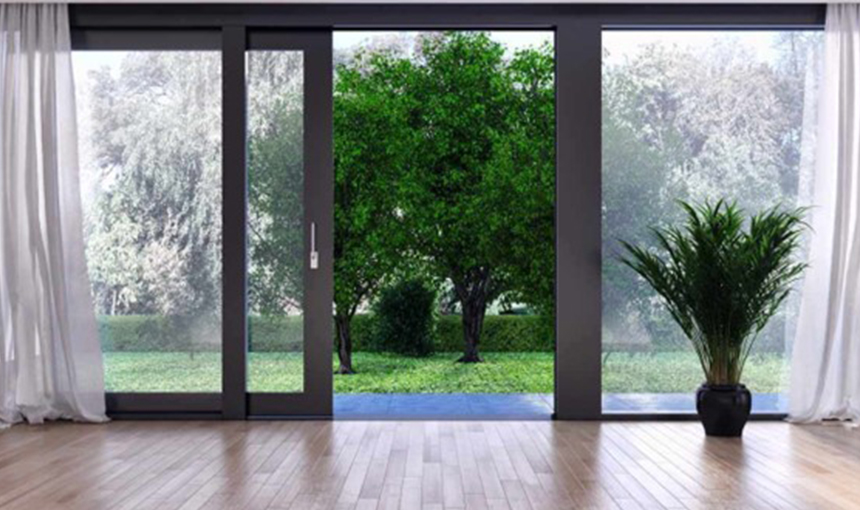
- Excellent Ventilation: Installing uPVC casement doors can provide incredible ventilation, allowing them to open an entire wall. When these types of doors are opened, they create a large aperture that allows ample air to come through.
- Security and Safety: uPVC casement doors are quite sturdy and can incorporate elaborate multi-point locking systems to offer high levels of security for your office and residential spaces. They also have galvanised steel reinforcements that ensure the complete security of your property. For enhanced security, consider installing uPVC casement doors with toughened glass.
- Acoustic Insulation: To reduce the infiltration of external noise in your property’s interiors, consider uPVC casement doors. They provide noise insulation. When uPVC door frames are paired with soundproof or acoustic glass, they can help reduce noise entering your home or office, offering a calm, peaceful, and tranquil indoor environment.
What Mistakes to Avoid While Installing uPVC Casement Doors?
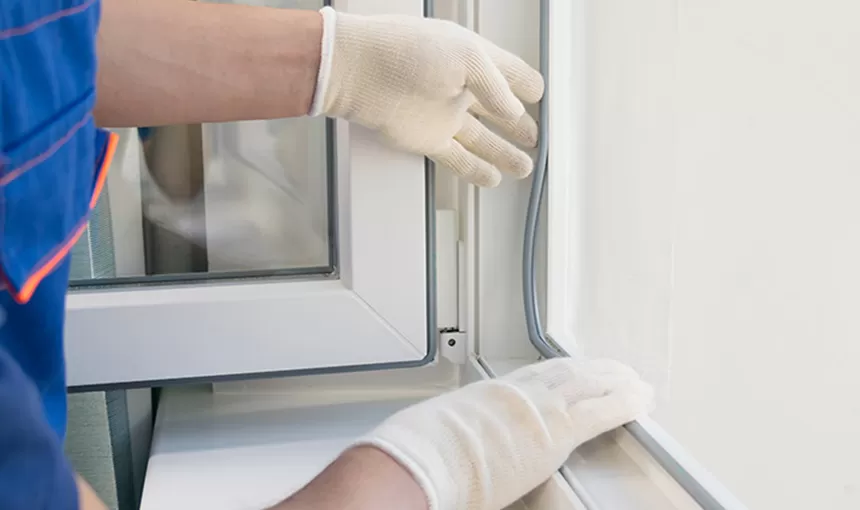
- Trying the DIY Approach: Learning how to do things on your own is a great idea, but not at the expense of your safety. There are many technical elements involved in door installation, and it is best not to attempt it yourself.
If you make a mistake, it will be much easier for burglars to break into your home. Instead, contact professionals to have them install the uPVC casement doors. - Taking Incorrect Measurements: The uPVC casement door must fit perfectly in the desired area; otherwise, it can allow air to pass through gaps between the frame and the walls.
Make sure that you take the measurements carefully. If you are unsure which measurements are required, you can always ask the installation team to take them themselves, ensuring accuracy. - Forgetting to Explore Glass Options: One of the most common mistakes homeowners make when purchasing uPVC casement doors is failing to select the right glass.
uPVC doors and windows are compatible with a range of modern glass solutions, including thermal, noise-insulating and privacy-enhancing options, among others. Therefore, you should select the right glass after evaluating your specific needs.
Conclusion
If you are looking to install uPVC casement doors at your property, we are your one-stop shop for all your fenestration needs. At AIS Windows, we adhere to international manufacturing standards and offer the finest uPVC door designs to complement your interiors and architecture.
Reach out to us for comprehensive services – right from consultation to hassle-free installation and after-sales support.
To know more about what is the price of uPVC doors, explore our detailed guide to understand pricing trends and evaluate the right solution for your space. If you’re planning to purchase uPVC windows or aluminium systems, costs may vary based on size, design, glass selection, and customisation requirements. For a personalised quote, call 1800 1034 805 or reach out to a nearby dealer to get aluminium windows and doors near you.