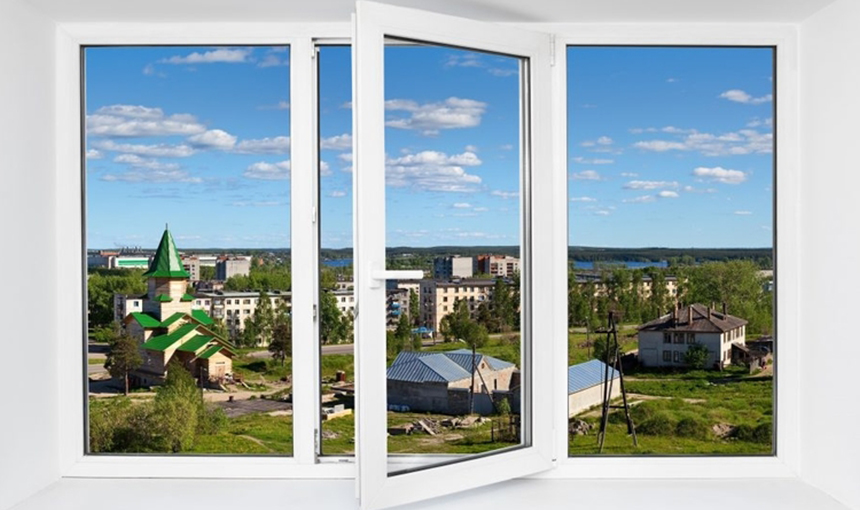




uPVC Windows vs Aluminium Windows: Which Is Better?

Windows are a key feature of any home or building. They control indoor lighting, temperature, and overall look. When installing new windows, it's important to pick the right material: uPVC or aluminium. Each has pros and cons to consider regarding durability, cost, eco-friendliness, and appearance, along with factors like maintenance requirements, noise insulation, and long-term performance. This article compares the two options to help make an informed decision by evaluating differences in performance, efficiency, lifespan, and style. It also considers important elements such as glazing options, frame quality, and overall impact on comfort and energy savings. Here, we will learn about what is better: uPVC vs aluminium windows for your needs, lifestyle, and budget, while also understanding their role in enhancing long-term property value.
Understanding uPVC Windows
uPVC, or unplasticised polyvinyl chloride, windows feature frames and sashes constructed from rigid yet mouldable vinyl composites that combine durability with excellent thermal insulation. They effectively bridge affordability and functionality. Read more about uPVC full form and benefits here in detail in the guide.
Advantages of uPVC Windows
Compared to conventional wooden frames, which require extensive maintenance to protect against weathering, wear, and termites - alongside higher initial material costs that often deter first-time homebuyers - unplasticised PVC alternatives score appreciably through the cumulative cost-of-ownership advantages over decades of use. They thereby deliver value in terms of durability, strength, customised fabrication options, effective soundproofing, and efficient weatherproof sealing, continuously maximising energy-saving potential through advanced layering. Learn more about the benefits of uPVC windows for your home here.
Additionally, uPVC windows are available in a wide range of colours, wood grain finishes, and styles - from casements to awnings to custom designs - allowing homeowners to match diverse architectural preferences. Their modern appearance and long-term performance also contribute to enhanced property value, making them an attractive choice for prospective buyers.
Limitations of uPVC Windows
Unplasticised PVC (uPVC) windows are generally not as strong or slim as powder-coated aluminium frames, especially for large openings. While they perform well for most residential applications, exposure to extreme heat may cause slight expansion if not properly reinforced. Surface scratches can occur and may require replacement in some cases. Although uPVC is recyclable, recycling facilities are less widespread compared to aluminium.
Understanding Aluminum Windows
Aluminium window frames, fabricated using lightweight yet durable, corrosion-proof metals, deliver strength, slimness, and resilience, outperforming conventional materials and making them ideal for wide, expansive window installations, maximising unhindered daylight aesthetics abundantly.
Advantages of Aluminum Windows
Aluminium widens creative configuration possibilities through slim, sturdy sections while retaining excellent load tolerances, facilitated by dense metallic compositions that engineer rigidity at the molecular level. Whether in wide-panelled assemblies or floor-to-ceiling minimalist frontages, robust aluminium ensembles expand installation possibilities, delighting creative pursuits while delivering fully weatherproofed, airtight construction for enhanced insulation performance. Learn more about the benefits of installing aluminium windows here.
Additionally, aluminium windows are lightweight yet exceptionally strong, ensuring long-term durability without sagging even under extreme weather conditions. They are also a sustainable choice, being 100% recyclable without loss of properties, making them ideal for environmentally conscious homeowners.
Tradeoffs Using Aluminum Windows
Beyond higher initial material costs, which may not suit all budgets, aluminium requires proper recycling infrastructure to be effectively reused. While it is 100% recyclable, responsible disposal and recycling practices are essential.
Additionally, occasional moisture imbalances may lead to temporary condensation along concealed frame crevices, requiring proper sealing during installation and regular maintenance to ensure long-term performance.
Difference Between Aluminium And uPVC Windows
When comparing uPVC windows vs aluminium windows, it’s important to understand how they differ in cost, design flexibility, durability, maintenance, and sustainability.
- uPVC is more affordable upfront and overall, whereas aluminium windows support creative, contemporary architectural ambitions.
- uPVC is customisable in style, with fewer limitations on sizes, while aluminium windows allow generous, transparent installations.
- uPVC requires lower maintenance but is susceptible to scratches, whereas aluminium windows are resilient against weather and climatic factors.
- uPVC windows have mixed recyclability, which remains a limitation, whereas aluminium is fully recyclable and better aligned with sustainable values.
- uPVC offers slightly better thermal insulation due to its multi-chambered structure, making it more energy-efficient compared to aluminium.
- Aluminium windows typically have a longer lifespan (up to 40 - 50 years) compared to uPVC (around 30 - 35 years), making them more durable in the long run.
- Aluminium frames provide a sleeker, more minimalist aesthetic with narrower profiles, whereas uPVC frames appear comparatively bulkier depending on design preferences.
Choosing The Best Windows For Your Home - uPVC Vs Aluminium Windows
- Selecting new windows for your home is an important decision that affects aesthetics, comfort, and utility bills. If you're comparing aluminum windows vs uPVC, the right choice depends on your priorities, climate, and budget.
- uPVC (unplasticised polyvinyl chloride) windows are typically more affordable upfront. Though they can become brittle and warp over time, advanced compounds improve durability. Best for temperate climates.
- Aluminium windows have a higher initial cost but last longer with little maintenance required. Sleek and slimline frames suit the modern architecture.
- Reflect on your budget constraints and temperature extremes in your area when deciding which is better aluminium or uPVC windows. Aluminium excels in coastal areas and extreme cold, while uPVC functions better in moderate inland climates.
Conclusion
Choosing new windows means balancing priorities like appearance, insulation, cost, and eco-friendliness. When evaluating the difference between aluminium and uPVC windows, uPVC frames are typically cheaper but can become brittle over time. Sleek aluminium lasts longer, though the initial outlay is higher. Consider your climate and budget, as well as longevity and sustainability. Consult experts, too. The right choice enhances daily living, so weigh trade-offs carefully across functional and ethical factors.
For more information on aluminium and uPVC windows, and to connect with a trusted uPVC windows company like AIS Windows, get in touch with us for the highest-quality solutions.
To know more about pricing, explore our detailed guide on aluminium windows and doors prices, where you can compare cost factors, design options, and price variations across different systems. If you’re planning to buy uPVC windows or aluminium systems, prices may vary based on size, design, glass type, hardware quality, and customisation. For an accurate quote, call 1800 1034 805 or connect with a dealer near you.