



Home Renovation: Types of Windows, Glass Windows and Window Frames Explained
Windows determine how spaces interact with light, air, and the outdoors, making them an essential part of house design and restoration. Window selection extends beyond appearance to include an awareness of the many structural designs, glass arrangements, and frame materials utilized in residential rooms. Sliding, casement, and fixed windows, as well as various glass varieties such as single pane, double pane, tinted, and smart glass, each serve a distinct purpose in the home. Window frames, such as uPVC, aluminum, and sophisticated technologies, have a significant impact on how windows are fitted and integrated into overall design.
This article combines common window types, different glass window classifications, and popular frame alternatives to provide a clear and comprehensive understanding of window systems. It is an organized guide for homeowners and renovators seeking clarity when planning, upgrading, or revamping window solutions for modern homes.
Most Common Types of Windows
Aluminium Sliding Windows
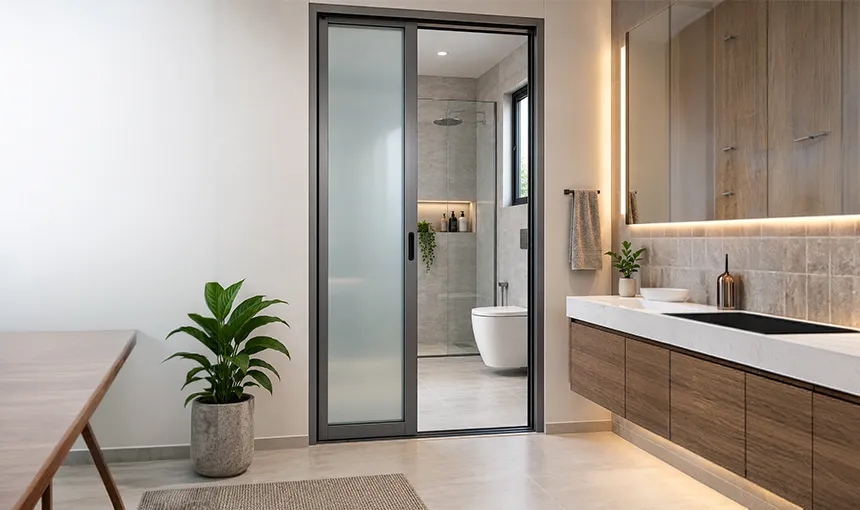
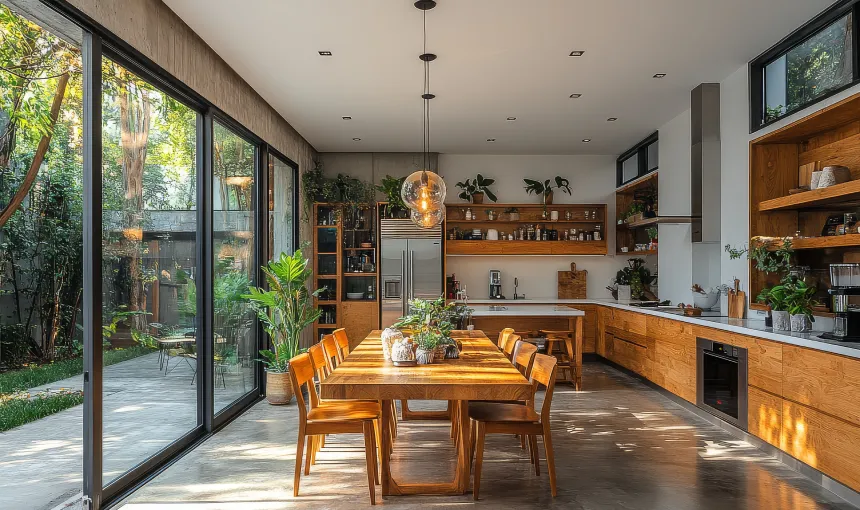
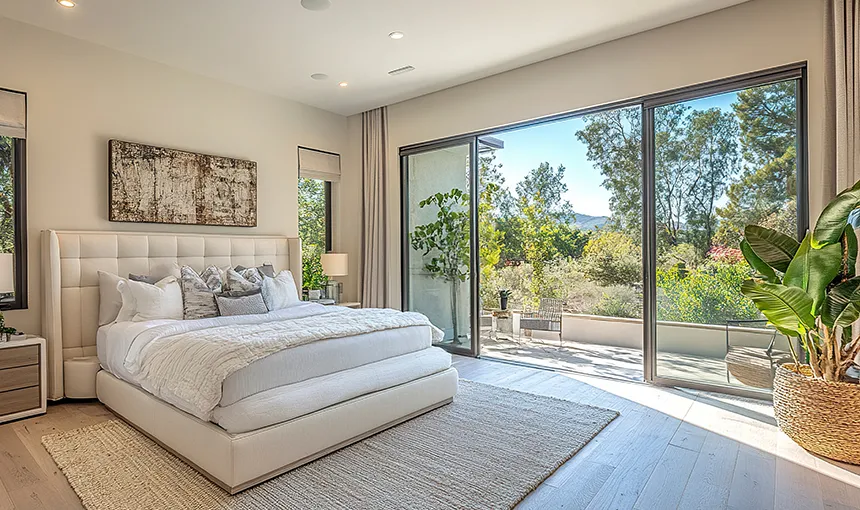
Aluminium sliding windows are well-known for their durability, corrosion resistance, and ability to endure strong wind loads, making them perfect for high-rise apartments and contemporary residences. Their elegant appearance improves interior design, particularly in bedrooms, wardrobes, and storage spaces. These windows also provide excellent ventilation and are simple to operate.
Key Benefits:
- Highly durable and resistant to corrosion.
- Suitable for high-rise buildings and windy areas.
- Improves the visual appeal of interiors.
- Requires minimal upkeep.
- Available in a variety of modern and traditional designs.
- Smooth, simple sliding operation.
- Ensures appropriate ventilation and airflow.
Aluminium sliding windows can be customised to meet both interior and outdoor design themes, making them a practical and stylish addition to any home.
French Windows
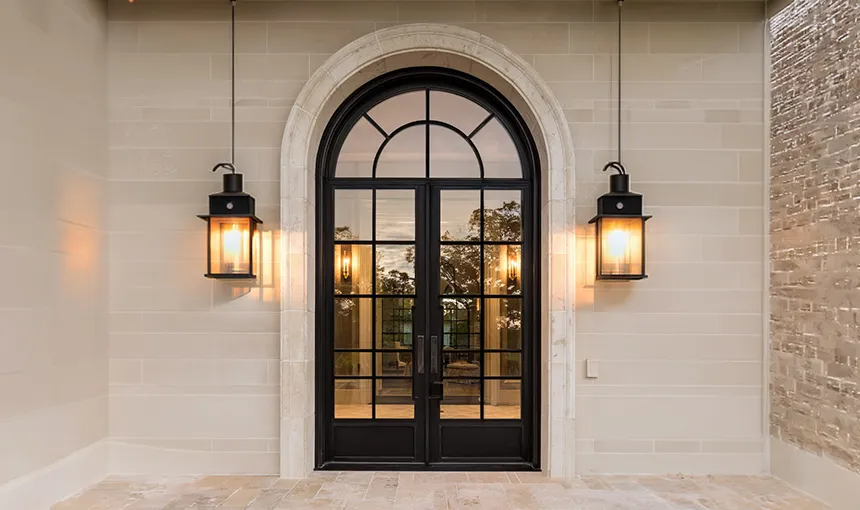
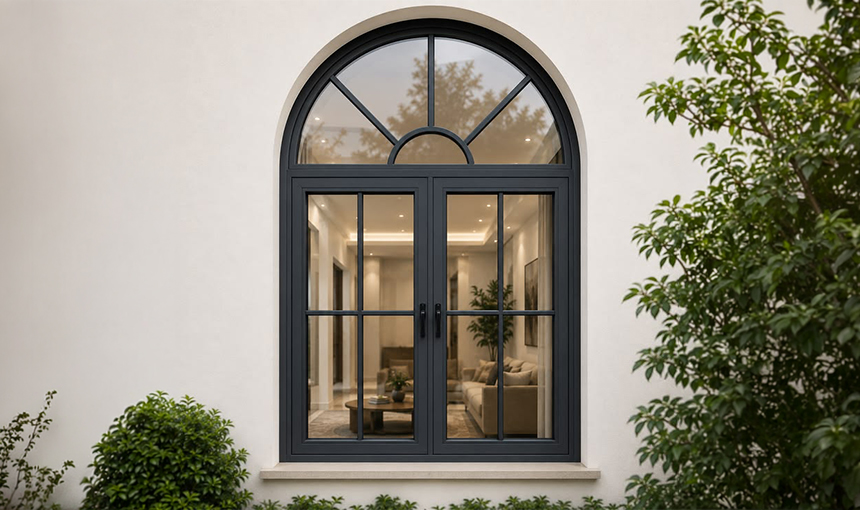
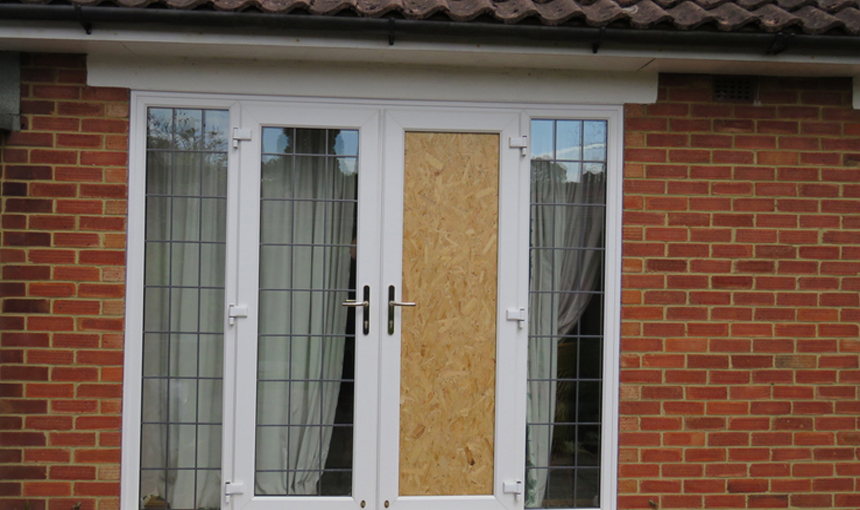
French windows are made to open inward or outward like doors and have tall glass panels set within narrow frames. They create wide openings that facilitate smooth ventilation, an improved connection between interior and outdoor areas, and an abundance of natural light. They are perfect for balconies, patios, and upper levels where both beauty and practicality are important because of their graceful, full-height design.
Key Features & Benefits:
- Full-height glass panels for maximum daylight
- Wide opening design improves ventilation and accessibility
- Enhances visual openness and spaciousness
- Suitable for balconies, terraces, and premium residential spaces
- Complements modern and classic architectural styles
- Can be customised in frame material, finish, and glazing
Fixed Windows
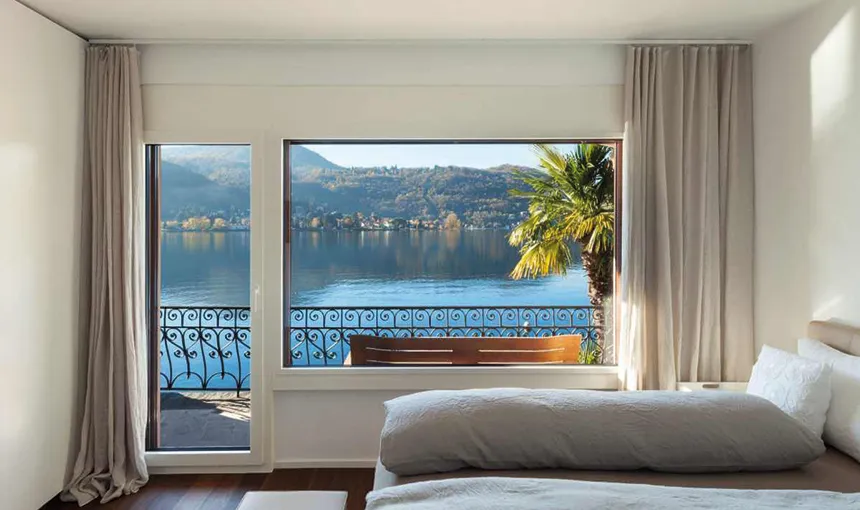
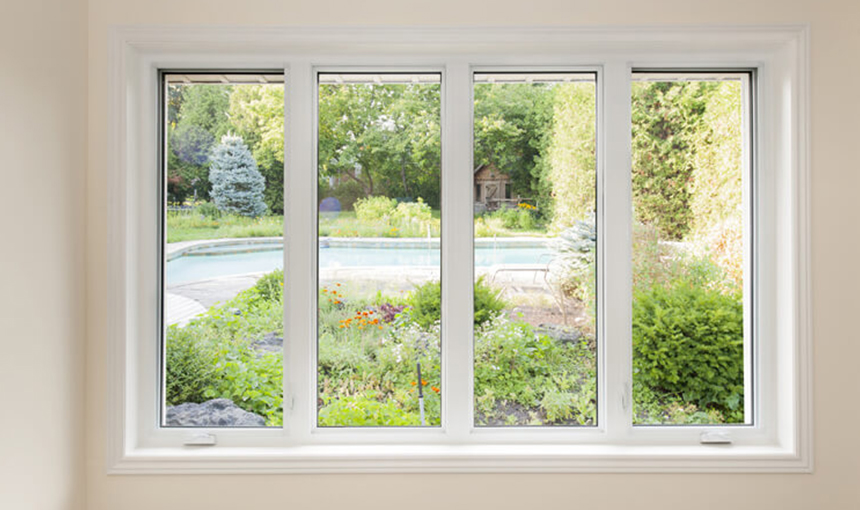
Fixed windows are non-operable and permanently installed in the wall. They are intended to provide maximum daylight through huge glass panels and are usually utilized where ventilation is not required.
These windows are frequently installed at higher levels to maximize sunshine and outside views. Fixed windows can be mixed with operable window types to improve both appearance and function.
Key Features & Benefits:
- Non-opening, totally glazed design.
- Allows for maximum natural light.
- Suitable for locations that do not require ventilation.
- Cost-effective when compared to operable window types.
- Combines effectively with various interior styles.
Casement Windows
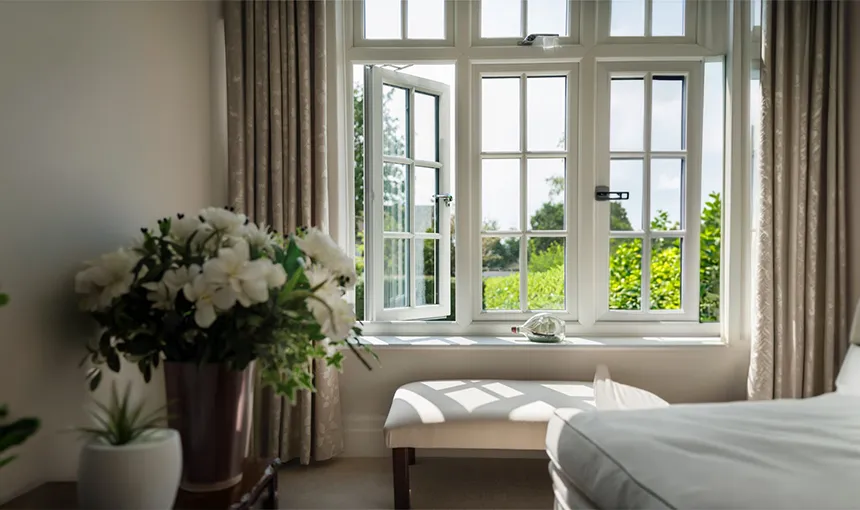
Casement windows are side-hinged windows that either open inward or outward, like doors. They are often utilized in residential settings because of their capacity to provide excellent ventilation.
Because casement windows open completely, they are not typically suggested for use in high-traffic or street-facing areas.
Key Features & Benefits:
- Provides maximum ventilation.
- Provides good thermal and acoustic insulation.
- Easy to operate and maintain.
- Customisable in terms of size and design.
Types of Glass Windows
Single Pane Windows
A single pane window is the simplest and most basic glass window type. It's also a fixed-pane window as it doesn't open or close like a double-hung or casement window. Single pane windows have been around for centuries and have not changed much. They are often found in older homes, but they can be found in new construction homes as well. Single pane windows are typically made of glass with a low-E coating that helps to reduce heat transfer into the home by reflecting solar energy outside. They are available in various shapes, sizes, and styles, so you can find one to suit your tastes and needs.
Double Pane Windows
Double pane windows are a great alternative to single pane windows. Double pane windows have many benefits, but the most important one is energy efficiency. Energy efficiency is a top priority for many people, and dual pane windows can help you with this. The first benefit of double pane windows is that they prevent heat from escaping through the window. This means that your room will stay warmer and cooler in the summer. The second benefit of double pane windows is that they provide sound insulation for your home or office space. They block out noise from traffic and other sources, so you can get work done without distractions.
Sliding Glass Windows
Sliding glass windows are the most popular type of glass window because they're easy to clean and can be used in any room. Sliding glass windows are great for kitchens, bathrooms, living rooms, dining rooms, bedrooms, and even offices. Sliding glass windows are also often used as patio doors because they allow direct access to your outside space without going through the main home entrance. This is ideal for smaller homes that don't have a separate entry for their backyard or garden area (or if you want to keep people out of your private spaces).
Tinted glass window
Tinted glass windows are translucent windows with color added to them. Tinted glass windows are used for privacy, decorative purposes, and security. Tinted glass colors can be characterized as opaque or translucent. Opaque tints provide privacy while still allowing light to pass through the window. Sheer tints are the opposite: they allow lighter while providing less privacy. The three most common types of tinting include bronze (brown), green and blue-green shades, which create a rich appearance reminiscent of stained-glass artwork found in churches and cathedrals worldwide.
Fixed glass windows
Fixed glass windows are not moveable and cannot be opened. These types of glass windows are typically used in homes or public buildings where there is little need for ventilation. Fixed glass windows are not as energy efficient as other types of windows since they do not allow airflow to circulate through them. However, they are often more decorative than other types of windows and can be customized with many different designs, such as stained glass windows or frosted glass windows. .
Electrochromic windows
Electrochromic is a new generation of innovative and smart glass windows design. It is a technology that allows glass windows to change color and transparency in response to the environment. Electrochromic windows are often used in buildings such as hospitals, hotels, and schools because they allow people to control the amount of natural light entering the building. They also help regulate the temperature inside buildings by changing color when heat levels rise or fall. The type of glass window you choose for your home can significantly affect its overall aesthetic and feel. Now that you understand the different glass windows available, it's time to decide which one is right for you. Take into consideration what kind of look or style you're going for as well as any budget constraints, before making a final decision on which type of glass window works best with your home design goals.
Types of Frames
uPVC Frames
uPVC (unplasticized polyvinyl chloride) window frames are economical vinyl frames that resist weathering and require little maintenance over their lifetime. They have surged in popularity as a versatile, affordable frame option well-suited to various home styles. uPVC is a durable, weather-resistant plastic that offers the following benefits:
- Affordability - uPVC window frames are economical compared to wood or metal alternatives. This makes them a budget-friendly option.
- Low Maintenance - The vinyl material resists fading, rotting, cracking, and insect damage. uPVC needs very little ongoing care.
- Energy Efficient - Vinyl frames provide excellent thermal insulation. Multi-chambered frame profiles assist with energy savings.
- Customization - uPVC frames come in a wide range of colours and finishes. You can match your décor or opt for white frames for a classic look.
- Strength and Durability - Modern uPVC formulations allow for slim yet sturdy window frames. They are durable enough for long-term use.
Aluminium Window Frames
Known for their slimline profiles and durable aluminium construction, these window frames allow ample light into modern homes while offering abundant style options through colour finishes. Key benefits of aluminium window frames include:
- Slimline Design - Aluminium window frames have a narrower profile than uPVC and wood. This allows more light into the home.
- Material Strength - Extruded aluminium resists warping, sagging or flexing over time. It maintains the structural integrity of windows.
- Custom Styling - Aluminium takes paints and powder coating nicely. You can choose from multiple colour options for personalized windows.
- Workflow Efficiency - Aluminium is easier to work with than wood. Frame fabrication and window installation tend to be simpler processes.
- Affordability - While more expensive than vinyl, aluminium is more affordable than wood. It makes an attractive metal choice.
AIS Regal Select
AIS Regal Select windows represent a new generation of window technology focused on heightened security, maximum views, and sleek aesthetics. They give homeowners:
- Enhanced Safety Features - Concealed beading and locking solid mechanisms protect against forced entry. Laminated glass provides additional strength.
- Larger Openings - Units can accommodate vast expanses of glass over 3 meters high. This invites more light and outdoor views indoors.
- Slimmer Frames - Interlock and meeting stile widths under 65mm ensure you see more glass and less frame from interior living spaces.
- Flush Sashes - Flush closing sashes between fixed and opening parts give the impression of a single glass plane.
- Noise Reduction - Weatherstrips, specialized seals, improved construction and laminated glazing reduce outdoor noise transmission.
Conclusion
It's important to have a thorough awareness of window styles, glass kinds, and frame materials. With this information, homeowners can confidently collaborate with professionals like AIS Windows to build solutions that complement both utility and design. Take a look at AIS Windows' selection of windows and begin enhancing the areas of your house with accuracy and style.