
Anodised vs Powder-Coated Aluminium Windows: Which Finish Is Better
Choosing window frames usually starts with their size, style and colour. But the finish deserves attention too. It affects how your frames look, how well their surfaces handle everyday wear and how well they protect against the weather.
When comparing anodised vs powder coated aluminium windows, anodising preserves a metallic appearance, while powder coating offers more colours and textures. The right finish for your aluminium windows depends on your home’s surroundings, design preferences, durability needs and maintenance expectations.
Explore the benefits of aluminium windows to understand their durability, design versatility and low-maintenance advantages.
Choose anodising for a natural metallic look and a hard, abrasion-resistant surface. Choose powder coating for greater colour and finish flexibility. Both need suitable specifications and good workmanship.
What is Anodised Aluminium?
Anodising uses an electric current to build a protective oxide layer on aluminium. This layer becomes part of the metal itself, rather than sitting on top like paint.
Anodised aluminium windows retain the metal’s natural character. Their hard surface resists abrasion and everyday scratches, although deep scratches can still cause damage. Properly specified and sealed anodising also provides corrosion and weather resistance.
Common architectural shades include silver, bronze and black. Colour choices are generally narrower than powder coating, and slight batch-to-batch variations can occur.
What is Powder Coating?
Powder coating involves applying dry powder to prepared aluminium and heating it until it forms a protective coating.
Powder coated aluminium windows offer a broad choice of colours, from subtle greys to shades that contrast with your walls. Matte, satin, gloss and textured options make it easier to match different interiors and exteriors.
The coating creates a uniform appearance and a durable surface. However, resistance to sunlight and weather depends on the powder grade, surface preparation and application quality. For outdoor windows, ask for a coating suited to the expected exposure.
Anodised vs Powder-Coated Aluminium Windows: Key Differences
| Factor | Anodised | Powder-coated |
|---|---|---|
| Appearance | Natural metallic look | Wide range of colours and finishes |
| Colour Options | Generally, more limited | Extensive |
| Surface | Integrated oxide layer | Protective coating over aluminium |
| Scratch Resistance | Hard, abrasion-resistant surface | Good; heavy impacts may chip it |
| Weather Resistance | Good with suitable thickness and sealing | Depends on coating grade and preparation |
| Customisation | Mainly metallic shades | Broad colour and texture choices |
| Maintenance | Low; regular gentle cleaning | Low; regular gentle cleaning |
Which Finish Should You Choose?
Anodised aluminium windows may suit you if:
- You prefer visible metallic characters.
- You prioritise a hard, abrasion-resistant surface.
- Silver, bronze, black or similar shades fit your design.
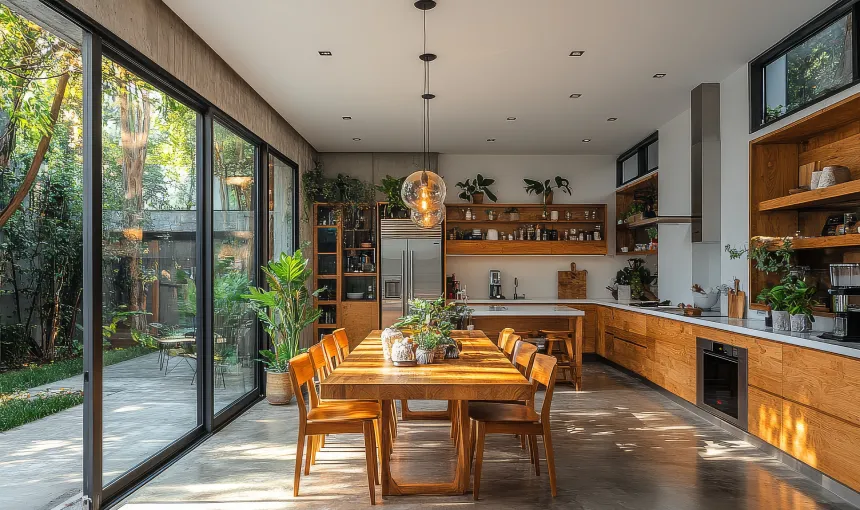
For example, metallic frames can complement exposed concrete or a simple, understated interior.
Powder-coated aluminium windows may suit you if:
- You want a specific frame colour.
- You prefer a matte, satin or textured finish.
- Matching the frames to your home’s décor matters.
For coastal or humid locations, compare the actual finish specifications and warranty conditions. Don't choose a finish based on its name alone.
Factors to Consider Before Choosing a Finish
Before choosing a finish, think about where your windows will be installed and the look you want for your home. Understanding the reasons that make aluminium the perfect choice for window frames can also help you evaluate the benefits of aluminium before selecting a finish. These factors can help you compare the options and decide which suits your needs.
- Appearance: View physical samples in daylight.
- Exposure: Consider salt air, humidity, rain and strong sunlight.
- Durability: Check the finish grade and expected wear resistance.
- Maintenance: Follow cleaning instructions and avoid abrasive products.
- Customisation: Confirm available shades, textures and colour consistency.
- Budget: Compare quotations for equivalent finish quality.
- Window system: Assess glazing, seals, hardware, drainage and installation too.
Conclusion
The choice of powder coated vs anodised aluminium windows comes down to your priorities. Anodising offers metallic character and surface hardness, while powder coating brings greater design flexibility.
Consider appearance, environmental conditions, durability and customisation together. At AIS Windows, explore aluminium anodised window options with the complete system in mind. A suitable finish matters, but so do the frame design, glass and installation. You can explore aluminium windows and doors, compare aluminium windows prices based on your requirements, and use the dealer locator to find a nearby dealer and discuss suitable options for your home.